
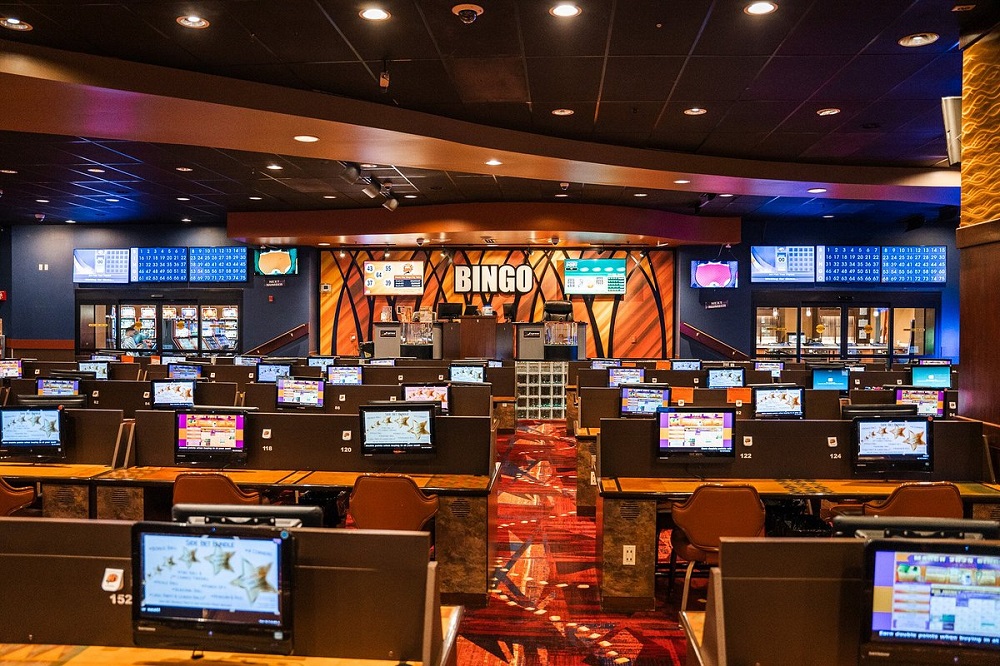
The global gaming industry relies heavily on consumer confidence. For bingo operators, establishing and maintaining credibility is the cornerstone of long-term commercial success. Whether in traditional physical halls or modern digital landscapes, players must feel certain that every ball drawn represents a completely random outcome. As the game has shifted toward digital environments, operators have adopted sophisticated technological frameworks, strict regulatory measures, and independent oversight to prove their integrity. Building this trust requires a multifaceted strategy that ensures transparency from the moment a player buys a ticket to the final validation of a winning card.
The Role of Random Number Generators
At the heart of any fair digital bingo game is the Random Number Generator. This specialized software architecture ensures that human intervention, operator bias, or historical patterns cannot influence the sequence of numbers drawn.
Modern platforms utilize complex mathematical formulas called pseudorandom number generators to produce sequences that mimic true randomness. To maintain absolute fairness, these systems rely on unpredictable data inputs known as seed values. Operators protect these seeds using advanced cryptographic keys, preventing external actors from predicting upcoming sequences. In physical bingo halls, mechanical blowers and weighted balls accomplish a similar objective, requiring daily calibration and visual checks to verify that no single ball holds a physical advantage due to variations in weight or texture.
Third-Party Auditing and Technical Certification
Claiming a game is fair is rarely enough to satisfy modern consumers. Legitimate bingo platforms open their codebases and hardware setups to independent testing laboratories. Specialized agencies like eCOGRA, iTech Labs, and Gaming Laboratories International conduct exhaustive evaluations of gaming infrastructure.
During an audit, these laboratories examine millions of simulated game rounds. They analyze the statistical distribution of the numbers generated to confirm there are no mathematical anomalies or deviations from expected probability curves. If a system shows even a slight statistical bias toward specific numbers, it fails certification. Once an operator passes these evaluations, they receive a formal certificate of fairness, which they typically display on their website footer to reassure players.
Regulatory Compliance and Strict Licensing
Operating a lawful bingo operation requires securing licenses from established gambling jurisdictions. Regulatory bodies establish stringent rules regarding financial solvency, software integrity, and player protection. Notable regulators include the UK Gambling Commission, the Malta Gaming Authority, and various state-level boards across the United States, such as the New Jersey Division of Gaming Enforcement.
To secure and maintain these licenses, operators must adhere to rigorous operational standards:
-
Separation of Operational and Player Funds: Operators must hold player balances in segregated bank accounts, ensuring that prize pools and user deposits remain untouched even if the company faces financial distress.
-
Identity Verification Protocols: Platforms enforce Know Your Customer procedures to prevent money laundering, verify legal age requirements, and stop individuals from creating multiple fraudulent accounts to manipulate promotional bonuses.
-
Regular Compliance Audits: Regulators perform unannounced reviews of an operator’s books, server configurations, and payout logs to ensure ongoing adherence to local laws.
Failure to meet these conditions results in heavy financial penalties or the immediate revocation of the operating license, serving as a powerful deterrent against unfair practices.
Transparency in Payout Metrics and Game Mechanics
Trust flourishes when players possess complete information about the games they choose to play. Reputable bingo providers provide clear documentation regarding the structural mechanics of each game mode. This information includes explicitly stating the Return to Player percentage and the specific prize distribution model for each round.
The Return to Player percentage represents the long-term statistical percentage of wagered money that a game returns to players over time. In bingo, this metric varies based on ticket prices, the number of participants, and the fixed house edge built into the prize pool calculation. By publicizing these figures alongside the exact rules governing line wins, full houses, and progressive jackpots, operators remove ambiguity, allowing consumers to make informed financial decisions.
Advanced Data Protection and Server Security
Fair play extends beyond the drawing of numbers; it also encompasses the security of player data and financial transactions. If a platform suffers a data breach, players lose faith in the operator’s ability to provide a safe gaming environment.
To safeguard sensitive information, operators implement Secure Sockets Layer or Transport Layer Security encryption protocols. This technology encrypts the data pipeline between the player’s device and the operator’s servers, rendering financial details and personal identification unreadable to malicious third parties. Furthermore, robust firewalls and intrusion detection systems continuously monitor server networks to prevent external tampering with ongoing live games.
Fostering Community Through Transparent Moderation
Bingo is inherently social, often featuring active chat rooms where players interact during live draws. Operators utilize trained chat moderators to maintain a welcoming, safe, and transparent environment.
These moderators enforce strict community guidelines to prevent harassment, collusion, or the spreading of misinformation. If a technical issue occurs during a live draw, chat hosts act as an immediate line of communication, providing real-time updates and explaining the protocols the operator uses to resolve the glitch. This human element bridges the gap between cold software mechanics and community expectations, reinforcing the brand’s commitment to honest communication.
Commitment to Responsible Gaming Frameworks
A truly fair operator recognizes that player well-being is vital to a sustainable business model. Implementing responsible gaming tools demonstrates that a company prioritizes customer health over short-term financial gains.
Trustworthy platforms integrate proactive software features that empower users to manage their gaming habits:
-
Self-Imposed Deposit Limits: Players can restrict the amount of capital they transfer into their accounts on a daily, weekly, or monthly basis.
-
Cooling-Off Periods: Users can voluntarily suspend account access for short intervals, ranging from 24 hours to several weeks, to take a break from gaming.
-
Permanent Self-Exclusion: Operators provide clear pathways for players to permanently close their accounts if they develop problematic behavior, cross-referencing these requests with national exclusion databases.
By actively discouraging unsustainable spending, operators build an ethical brand image that resonates positively with players, regulators, and the public.
Frequently Asked Questions
What happens if a bingo player disconnects from the internet during a live draw?
If a player loses their internet connection during a live digital game, the server continues to process the ticket automatically. The Random Number Generator pre-calculates the entire draw sequence independently of player connectivity. If the disconnected player holds a winning ticket, the system automatically credits the winnings to their account balance, ensuring they do not lose out due to technical issues.
Can a bingo operator alter the game outcomes in real time if a specific player is winning too much?
No, operators cannot alter game outcomes while a round is active. The software infrastructure is locked and sealed inside secure servers, and the game logic runs entirely on certified algorithms that operators cannot modify manually. Furthermore, independent auditors and regulatory bodies track real-time server logs, making any unauthorized manual intervention immediately visible and subject to severe legal penalties.
Why do some numbers seem to appear more frequently than others during a single session?
This occurrence is a result of short-term statistical variance, commonly referred to as the clustering illusion. While a Random Number Generator ensures that every number has an equal probability of being drawn on every single turn, true randomness naturally produces short-term patterns and repetitions. Over millions of rounds, the distribution levels out perfectly, but during a brief session, players often notice natural clusters that seem non-random.
How do physical bingo halls ensure their mechanical equipment remains fair?
Physical venues follow strict maintenance schedules to ensure equipment integrity. They regularly weigh and measure bingo balls using specialized instruments to guarantee uniformity, as even a fraction of a gram of difference could alter aerodynamic behavior inside the machine. Additionally, halls clean the drawing chambers daily to remove dust and oil buildup, and they use video monitoring systems to provide players with a clear, unobstructed view of the drawing process.
What is the purpose of testing house bots, and do fair operators use them?
House bots are automated accounts used by some platforms to maintain activity levels during off-peak hours or to ensure chat rooms remain populated. Ethical operators are entirely transparent about the presence of automated accounts, ensuring they do not compete for prize pools intended exclusively for real players. In fully certified jurisdictions, regulators strictly control or outright ban bots from winning monetary prizes to preserve fair competition.
How do progressive jackpots remain secure and verified?
Progressive jackpots utilize separate, dedicated smart algorithms that pool a small percentage of every ticket purchase across an entire network of games. The trigger mechanism for a progressive jackpot is tied to highly specific mathematical milestones, such as hitting a full house within a precise number of calls. These systems feature independent encryption keys and require manual validation by executive compliance teams before the payout is finalized, preventing software manipulation.
