
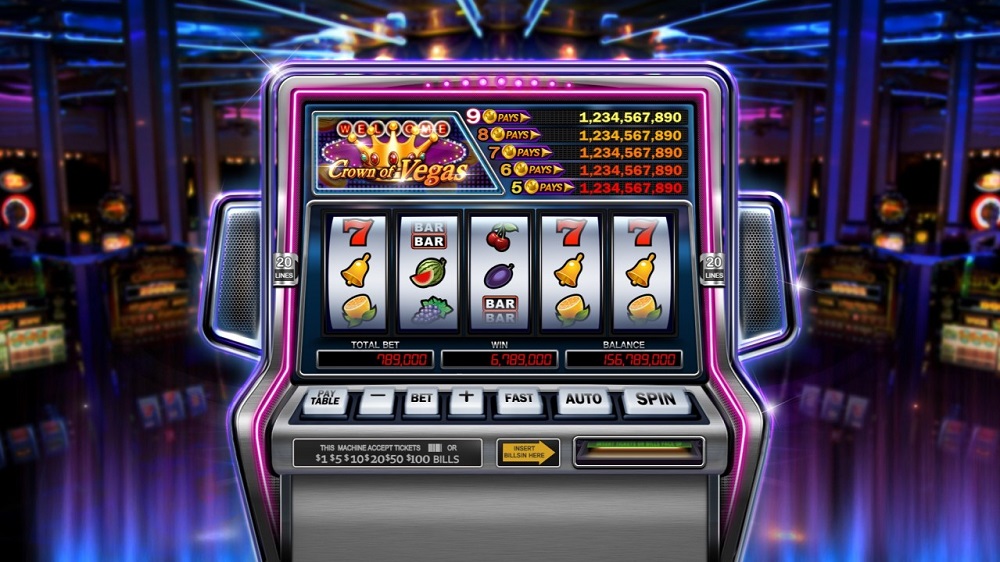
The global entertainment landscape features few fixtures as instantly recognizable as the slot machine. Found in massive resort casinos, local convenience stores, cruise ships, and digital mobile applications, these games capture the attention of millions of players daily. The journey of the slot machine from a mechanical novelty in nineteenth-century San Francisco to a multi-billion-dollar global juggernaut is a masterclass in technological adaptation, psychological design, and cultural integration. By continuously evolving to match the technological capabilities of each era, slot machines have transcended their gambling origins to become a defining element of modern popular culture and consumer entertainment.
The Mechanical Genesis of the Liberty Bell
The foundation of the modern slot industry was laid in 1895 by a Bavarian-born mechanic named Charles Fey. Operating in San Francisco, Fey designed a compact mechanical device known as the Liberty Bell, which revolutionized the early gaming landscape.
Before Fey invention, early betting machines required complex manual payouts handled by bartenders, as they utilized full decks of playing cards that created too many winning combinations for automated mechanics. Fey solved this engineering bottleneck by simplifying the interface down to three spinning reels containing just five distinct symbols: horseshoes, diamonds, spades, hearts, and the iconic cracked Liberty Bell. This reduction allowed the machine to read outcomes mechanically and instantly dispense coins for a winning combination. The device achieved immediate popularity, prompting competitors to quickly copy the design and establishing the structural template that would govern the industry for the next seventy years.
The Electromechanical Evolution and the Shift to Modern Multi-Line Play
For decades, slot machines remained entirely mechanical, requiring players to pull a heavy iron lever to manually rotate internal gears and springs. The next massive evolutionary leap occurred in 1963 when the manufacturing company Bally introduced Money Honey, the world first fully electromechanical slot machine.
This technological shift removed the physical limitations of pure clockwork mechanisms. Money Honey featured an electronic hopper that could automatically dispense hundreds of coins without manual refills, alongside bright electric lighting and intense auditory chimes that heightened the sensory experience on the casino floor. This era also marked the gradual removal of the iconic side lever in favor of electronic buttons, which allowed players to execute spins much faster. The introduction of electrical circuitry paved the way for multi-line betting, allowing players to wager on horizontal, diagonal, and zig-zagging patterns across the reels, completely changing the pacing and engagement depth of the game.
The Digital Revolution and the Virtual Reel Expansion
The true democratization of the slot machine arrived with the integration of microprocessors and video screens during the late 1970s and 1980s. The introduction of the video slot machine, pioneered by companies like Fortune Coin and popularized by International Game Technology, completely severed the link between physical reel size and mathematical probability.
Traditional mechanical slots were physically limited by the number of symbols that could fit on a physical drum, meaning jackpots had to remain modest because the odds of winning could not be set very low. The digital revolution solved this restriction through the Virtual Reel, a software concept patented by Inge Telnaes in 1984. By mapping physical reel positions to thousands of digital stops generated by a Random Number Generator, operators could offer massive, life-changing progressive jackpots while maintaining precise, predictable house margins. This technological shift turned slots from quiet side attractions into the primary revenue engines of modern casino floors, regularly accounting for over seventy percent of total gaming profits.
The Psychology of the Modern Sensory Loop
The transformation of slot machines into a global phenomenon relies as much on behavioral psychology as it does on engineering. Modern slot design leverages advanced neurological feedback loops to create an incredibly engaging leisure experience.
-
The Concept of Losses Disguised as Wins: Multi-line video slots allow players to bet on dozens of patterns simultaneously. When a player wagers two dollars and wins back fifty cents, the machine triggers triumphant music, flashing lights, and celebratory animations. The brain processes this sensory input as a successful event, even though the overall transaction resulted in a net financial loss.
-
The Power of Variable Reward Schedules: Grounded in classic operant conditioning principles, slots deliver payouts on an unpredictable, variable schedule. The human brain naturally releases dopamine during anticipation rather than just upon receiving a reward, making the moments before the reels stop highly stimulating.
-
Ergonomic Design and Spatial Immersion: Modern slot cabinets feature orthopedic seating, integrated surround-sound headrests, and high-definition curved displays that envelop the peripheral vision of the player, creating a state of deep cognitive immersion known as the slot zone.
These meticulous design elements ensure that the gameplay remains deeply satisfying as a casual form of relaxation, driving sustained engagement across diverse global demographics.
The Transition to Global Online and Mobile Markets
The contemporary era of slot machines is defined by the absolute migration to digital spaces. The rise of high-speed internet, mobile applications, and secure digital payment gateways allowed developers to decouple the slot experience from physical geographic locations.
Online slots have expanded the creative boundaries of the genre. Free from the physical constraints of a plastic and metal cabinet, developers create games featuring complex narrative storylines, cinematic cutscenes, three-dimensional animations, and interactive bonus rounds reminiscent of modern mobile video games. Furthermore, the integration of slots into social casino apps, which utilize virtual currencies rather than real money wagers, has exposed the core mechanics of the game to billions of casual players worldwide, cementing its status as a universal digital pastime.
Frequently Asked Questions
Why did early slot machines use fruit symbols like cherries and lemons?
During the early twentieth century, anti-gambling laws banned cash payouts from mechanical slot machines. To bypass these legal restrictions, manufacturers modified the machines to dispense flavored chewing gum instead of coins. The fruit symbols on the reels represented the flavor of the gum the player could win, and the famous bar symbol originally depicted the logo of the Bell-Gum Company, creating a visual tradition that persists in modern digital designs.
What is the specific function of a slot machine volatility rating?
Volatility refers to the mathematical frequency and size distribution of payouts during a gaming session. A low-volatility slot provides frequent, small payouts, making it ideal for casual players who want their bankroll to last a long time. A high-volatility slot dispenses wins far less frequently, but the potential payout sizes and jackpot amounts are significantly larger, appealing to risk-tolerant individuals chasing major payouts.
Can a player alter the timing of a spin by stopping the video reels manually?
No, using the skill stop button to halt spinning reels does not alter the mathematical outcome of a round. The moment a player presses the main spin button or pulls the handle, the internal Random Number Generator instantly selects the final numerical result. The visual spinning of the reels is simply an animated graphic display designed to create anticipation; stopping the animation early merely reveals the pre-calculated outcome faster.
How do progressive jackpot networks coordinate across different physical properties?
Wide-area progressive jackpots connect thousands of slot machines across multiple distinct casino locations through secure cloud networks. A small, fixed percentage of every single wager placed on any linked machine is added to a centralized pool in real time. This shared infrastructure allows the total jackpot to scale rapidly into millions of dollars before a single player hits the rare winning combination on the network.
What is the purpose of the Return to Player percentage, and is it constant?
The Return to Player percentage is the long-term theoretical percentage of wagered money that a slot machine returns to players over millions of simulated spins. While the metric remains constant for a specific software build certified by gaming regulators, individual operators can often choose from a selection of authorized payout tiers provided by the developer when configuring the machine for their specific venue.
How do modern video slots integrate licensing partnerships with Hollywood studios?
Pop-culture licensing has become a primary player acquisition tool for slot manufacturers. Operators sign formal intellectual property agreements with film studios, music labels, and television networks to develop themed games based on popular franchises. These partnerships allow designers to weave actual movie clips, official actor voiceovers, and famous musical soundtracks directly into the bonus game mechanics, transforming the slot machine into an immersive extension of the entertainment brand.
